
It answers a real, documented burden
Acholi carries high malaria transmission, one of Uganda's highest HIV prevalences, lasting war trauma and nodding syndrome.
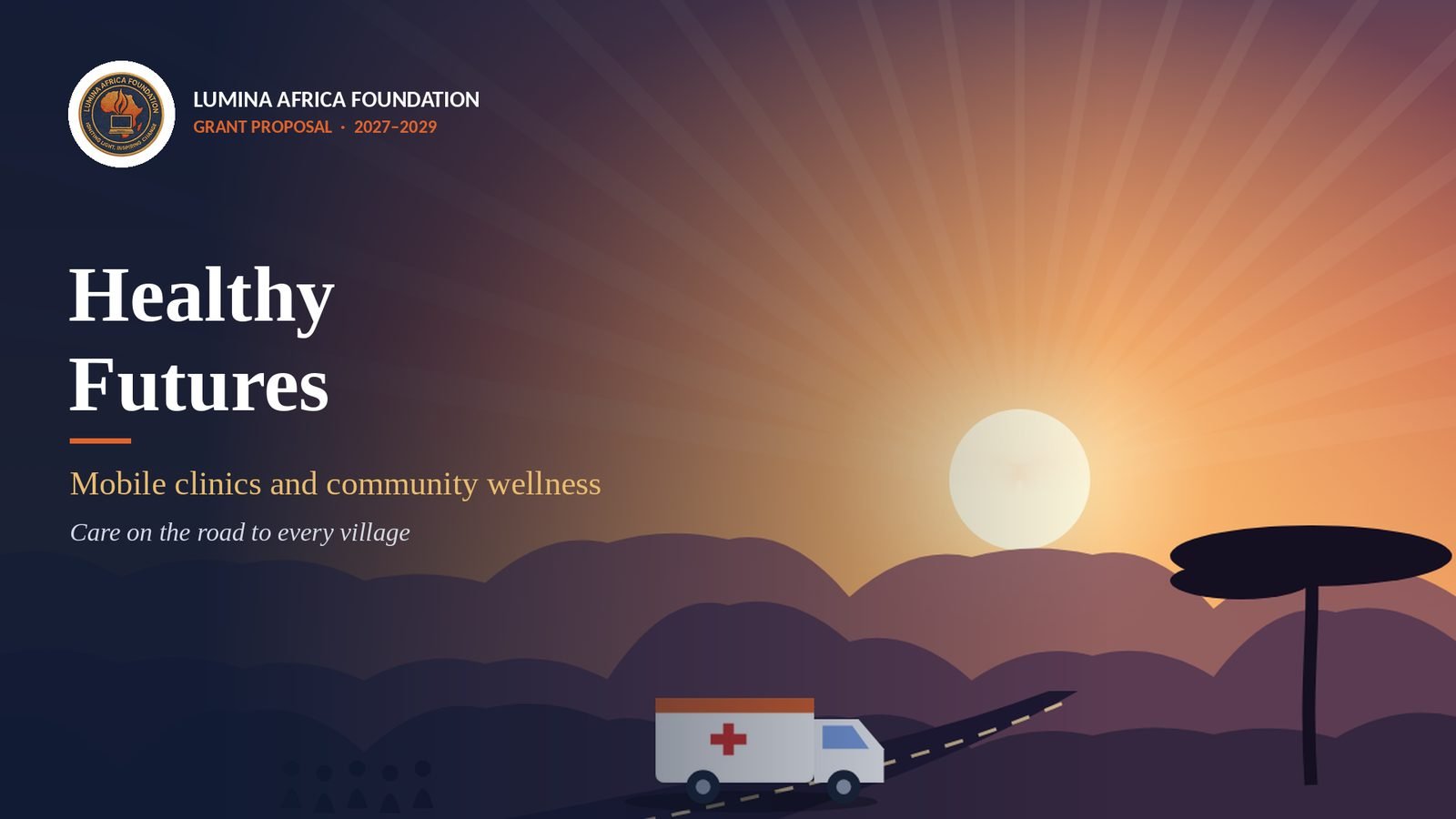
Bringing care, healing and hope to where the war left its mark
A proposed project seeking funding. Your gift is recorded as a pledge: no money is taken on this website.
The war ended in 2006. Its wounds in the body and the mind did not. Families lived for years in crowded camps with little clean water, sanitation or health care, and the effects reach into today: high levels of post-traumatic stress and depression, one of Uganda's highest HIV prevalences and a very high burden of malaria. In Pader, Kitgum and Lamwo, thousands of children developed nodding syndrome, a seizure disorder whose cause is still not fully understood. Many villages are far from a health centre.
A three-year programme that brings care closer to people and builds the community systems to sustain it. It does not replace the health system: it works through it, with health workers posted by the District Health Offices and clinical oversight from qualified professionals.
Acholi carries high malaria transmission, one of Uganda's highest HIV prevalences, lasting war trauma and nodding syndrome.
Every clinic day is planned with the District Health Office, staffed by licensed health workers and reported into the national system.
Mental health, young people's health, hygiene and nutrition sit beside clinical care, because health is more than medicine.
50 Village Health Team members and 60 peer ambassadors are trained, equipped and supervised.
Clinical governance, consent, referral, data protection and child protection are built in, with an annual audit and open reporting.
Total request UGX 1,047,740,100 (about USD 279,397), built bottom-up from unit costs, over 36 months. Every figure comes from our detailed budget, which funders receive with the full proposal.
Every choice below is real and priced. Pick one, add your details and send your pledge: we contact you to complete the gift.
A dedicated contact, quarterly narrative and financial reports, an annual report, audited accounts and open access to records.
Results by sex, age and disability, success stories with consent, photographs and short films, and an invitation to visit and meet the people you help.
Acknowledgement in reports, events and certificates, and naming opportunities, as agreed with each partner.
A seat on the project steering committee and a say in the priorities of the work you fund.
No. LAF does not run its own clinical services. Outreach is carried out with the District Health Offices and licensed health workers, and LAF provides logistics, mobilisation, counselling and community support.
Through memoranda of understanding with both District Health Offices, joint planning of outreach days, a steering committee and reporting into the national system.
Government supplies are used first. The project buys only small amounts from licensed suppliers to fill gaps. LAF does not give antiseizure medicine; that stays with government treatment centres.
They offer brief, evidence-based support (WHO Problem Management Plus) under professional supervision. Severe cases are referred.
Consent, private spaces, minimal data, secure registers and devices, and compliance with the Data Protection and Privacy Act.
Want the full proposal and the detailed budget? Ask us for them, or call +256-779-712-990.
Two solar-powered community ICT hubs in Gulu and Pader, and practical digital and business skills for 500 young people and women.
Total UGX 1.10 billion (about USD 292,306)
Start with a launch package of USD 106,146, or give from USD 75.
Scholarships and mentorship that keep 1,000 vulnerable learners in school and learning well, at least 55% of them girls.
Total UGX 1.04 billion (about USD 277,832)
Start with a launch package of USD 83,573, or give from USD 7.
50,000 trees planted and cared for, clean energy in 800 households and 6 schools, and 50 Green Ambassadors who protect the land.
Total UGX 763 million (about USD 203,450)
Start with a launch package of USD 68,571, or give from USD 9.
Youth and women leadership for sustainable development. The full proposal is being prepared.
Register your interestBono AI answers from this website and learns it every day. For anything urgent: WhatsApp +256779795662.


